Roger On The Issues
 While serving you in the Legislature I’ve continued to pass important measures to reduce deaths and injuries from domestic violence, sexual assault and drunk driving, saving literally thousands of lives in the past several years. As Chair of the House Public Safety Committee, I’m one of the few legislators with expertise in criminal law and the justice system, and I’ve worked hard to keep people safe in our homes, schools and public spaces.
I’ve been able to work effectively for common-sense solutions that matter to Eastside families, particularly in support of our great public schools and expanding opportunities for higher education, as well as strengthening our response to the growing problem of mental illness.
I’ve lived up to my promise to rise above partisanship to forge practical solutions with a common-sense approach. I’m not beholden to the party machine or the thundering herd of lobbyists in Olympia. I listen to you and I speak with an independent voice, using my knowledge and experience to get things done. I remain accessible and responsive and I keep my focus on preserving and enhancing our high quality of life here on the Eastside.
It’s hard to describe in words the sense of responsibility that comes with serving in the Legislature. I truly appreciate what an honor it is to serve you! Please share your comments and concerns with me and I’ll continue to be in touch.
Please stay safe and healthy in these challenging times. When the election rolls around I hope I can count on your vote this year. Thanks very much for your support!
While serving you in the Legislature I’ve continued to pass important measures to reduce deaths and injuries from domestic violence, sexual assault and drunk driving, saving literally thousands of lives in the past several years. As Chair of the House Public Safety Committee, I’m one of the few legislators with expertise in criminal law and the justice system, and I’ve worked hard to keep people safe in our homes, schools and public spaces.
I’ve been able to work effectively for common-sense solutions that matter to Eastside families, particularly in support of our great public schools and expanding opportunities for higher education, as well as strengthening our response to the growing problem of mental illness.
I’ve lived up to my promise to rise above partisanship to forge practical solutions with a common-sense approach. I’m not beholden to the party machine or the thundering herd of lobbyists in Olympia. I listen to you and I speak with an independent voice, using my knowledge and experience to get things done. I remain accessible and responsive and I keep my focus on preserving and enhancing our high quality of life here on the Eastside.
It’s hard to describe in words the sense of responsibility that comes with serving in the Legislature. I truly appreciate what an honor it is to serve you! Please share your comments and concerns with me and I’ll continue to be in touch.
Please stay safe and healthy in these challenging times. When the election rolls around I hope I can count on your vote this year. Thanks very much for your support! No Baby Kissing This Year!`

The COVID-19 will make this a very different campaign from usual. No baby kissing — that’s certain! Still, I need to hear from you. Listening to you is a critical part of my job. You keep me updated on what’s going on in our area, and by gathering your input I can become more effective for you at the State Capitol. I want to make sure I’m in tune with your values and your priorities so I can represent you well. One way or another, even if I’m not able to visit you personally at your door, I will be reaching out to get your input and inform my work in representing you. Please sign up to get on our mailing list. We will be in touch.
Expanding Children’s Hospital

Helping the Business Community and Supporting Local Organizations

Roger recently passed HB 1070, which will bring in millions of dollars from new business transactions into the state’s economy.
Roger also led the Legislature to enact a major reform of Washington’s wage garnishment laws (HB 1552, Chapter 159, Laws of 2012).
After two years of tough negotiations, Roger brought together small and large businesses, collection agencies, consumer groups and the courts to achieve a win-win solution for all parties.
Businesses now avoid needless paperwork and receive moneys owed to them faster; courts have withdrawn unnecessary oversight yet have preserved essential due process in garnishment proceedings; collection agencies are able to sustain a workable business model; and low-wage workers are better able to pay back their debts without losing their housing or running short of funds for food and necessities.
This legislative effort is one of the most successful examples of Roger’s collaborative problem-solving style of leadership.
Roger sponsored and passed HB 1745 (Chapter 57, Laws of 2011, enacted as companion SB 5574), the product of further negotiations between consumer groups and collection agencies to revise methods of debt collection and ensure their fairness.
Each year Roger has been able to secure important state appropriations to help our local businesses and non-profit organizations,
including:
- Funding to complete the construction of the new boathouse for the Sammamish Rowing Association, which serves hundreds of underprivileged youth with athletic opportunities.
- Funding to help our premier local social service agencies, Friends of Youth and Hopelink, with the construction and refurbishment of their facilities for homeless families and youth.
- Major funding for the expansion of Little Bit Therapeutic Riding Center in Woodinville, with its unique programs for youth with disabilities.
- Significant funds to help the expansion of programs at Studio East, the Eastside’s premier performing arts school for young children.
- Funds to ensure the completion of Duvall Place, a transitional, supportive housing facility operated by Hopelink for homeless families in Duvall.
Pioneering Four-Year Program at Lake Washington Institute of Technology

Leading the Effort to Reduce Class Sizes in Public Schools

Leading the Effort to Reduce Class Sizes in Public Schools
In 2014 Roger sponsored HB 2589, a measure to reduce class sizes throughout the public school system.
Knowing that “class size counts,” Roger followed the compelling research that links students’ academic achievement with class sizes in school, along with the quality of the teacher and the level of parental support for students.
After Roger championed this effort in the Legislature, the language of his bill was put on the ballot as an initiative to the people of Washington, Initiative 1351, which received a majority vote statewide and was enacted into law.
Roger has led the Legislature to enact more than a dozen bills related to education, child health and welfare and juvenile rehabilitation:
- HB 1505 (Chapter 136, Laws of 2016, incorporated in HB 2906), a significant expansion of restorative justice practices throughout the juvenile justice system.
- HB 1498 (Chapter 255, Laws of 2015, incorporated in HB 1625), requiring all ambulances to carry the medication needed to treat acute adrenal insufficiency in children.
- HB 1319 (Chapter 134, Laws of 2015), facilitating the release of certain adults who have served 20 years or more in state prison for offenses committed when they were juveniles, in response to U.S. Supreme Court rulings that sentencing juveniles to life in prison is unconstitutional.
- HB 1226 (Chapter 113, Laws of 2016, enacted as companion SB 5605), allowing diversion into alternative therapeutic programs for adolescents who commit violent acts in their homes.
- HB 1129 (Chapter 262, Laws of 2015, enacted as companion SB 5262), giving attorneys essential access to court case files to help them represent foster children.
- HB 1285 (Chapter 108, Laws of 2014, enacted as companion SB 6126), a landmark measure granting foster children statewide the right to their own legal representation.
- HB 1775 (Chapter 201, Laws of 2012), a major step forward for juvenile justice, enshrining for the first time in state law the concept of restorative justice, a victim-centered process allowing juveniles committing minor offenses to make their victims whole and be restored to the community.
- HB 1774 (Chapter 292, Laws of 2011), a major child welfare bill that improved adoption procedures, ensured better training for special child guardians, facilitated the reuniting of siblings and eased the restoration of parental rights.
- HB 2735 (Chapter 180, Laws of 2010), helping children in foster care navigate through the court system with better legal representation.
- HB 1782 (Chapter 477, Laws of 2009), helping parents retain their parental rights and reducing unnecessary separation and placement of children into foster care.
- HB 1491 (Chapter 177, Laws of 2012, enacted as companion SB 5389), altering the membership of Washington’s Early Learning Advisory Council (of which Roger has been a member), thereby securing $1.7 million from the federal government to support Washington’s early learning programs.
- HB 3168 (Chapter 164, Laws of 2008), setting the stage for an expansion of Washington’s Early Childhood Education and Assistance Program (ECEAP), modeled after the federal Head Start program.
Education

Championing Early Learning
The evidence is clear that early childhood education programs are the very best investment of our tax dollar.
Kids who are not ready for kindergarten fall behind right away and need extensive remedial education, and are more likely to drop out of school later, costing all of us to clean up the mess at the other end.
Roger has been a leader in the Legislature in enacting bills to expand access to high-quality early learning programs for all of Washington’s kids, helping to ensure that pre-school programs are available to kids at risk, helping them prepare for success in school and in life.
In 2010 Roger authored the “Ready for School Act,” HB 2731 (Chapter 231, Laws of 2010), a landmark piece of legislation establishing a new statewide program of early childhood education, to be fully phased in by the 2021 school year as an entitlement for all three- and four-year olds in the state.
That bill also preserved the existing capacity and funding for the state’s early learning program, one of the only programs that was not cut during the “Great Recession.”
Roger has been repeatedly named “Champion for Children” by the Children’s Alliance and has twice received their highest honor, the “Gold Crayon Award”.
Roger has also been named a “Champion for Education” by the League of Education Voters for his work to expand early learning in Washington.
Leading the Effort to Reduce Class Sizes in Public Schools
In 2014 Roger sponsored HB 2589, a measure to reduce class sizes throughout the public school system.
Knowing that “class size counts,” Roger followed the compelling research that links students’ academic achievement with class sizes in school, along with the quality of the teacher and the level of parental support for students.
After Roger championed this effort in the Legislature, the language of his bill was put on the ballot as an initiative to the people of Washington, Initiative 1351, which received a majority vote statewide and was enacted into law.
Roger has led the Legislature to enact more than a dozen bills related to education, child health and welfare and juvenile rehabilitation:
- HB 1505 (Chapter 136, Laws of 2016, incorporated in HB 2906), a significant expansion of restorative justice practices throughout the juvenile justice system.
- HB 1498 (Chapter 255, Laws of 2015, incorporated in HB 1625), requiring all ambulances to carry the medication needed to treat acute adrenal insufficiency in children.
- HB 1319 (Chapter 134, Laws of 2015), facilitating the release of certain adults who have served 20 years or more in state prison for offenses committed when they were juveniles, in response to U.S. Supreme Court rulings that sentencing juveniles to life in prison is unconstitutional.
- HB 1226 (Chapter 113, Laws of 2016, enacted as companion SB 5605), allowing diversion into alternative therapeutic programs for adolescents who commit violent acts in their homes.
- HB 1129 (Chapter 262, Laws of 2015, enacted as companion SB 5262), giving attorneys essential access to court case files to help them represent foster children.
- HB 1285 (Chapter 108, Laws of 2014, enacted as companion SB 6126), a landmark measure granting foster children statewide the right to their own legal representation.
- HB 1775 (Chapter 201, Laws of 2012), a major step forward for juvenile justice, enshrining for the first time in state law the concept of restorative justice, a victim-centered process allowing juveniles committing minor offenses to make their victims whole and be restored to the community.
- HB 1774 (Chapter 292, Laws of 2011), a major child welfare bill that improved adoption procedures, ensured better training for special child guardians, facilitated the reuniting of siblings and eased the restoration of parental rights.
- HB 2735 (Chapter 180, Laws of 2010), helping children in foster care navigate through the court system with better legal representation.
- HB 1782 (Chapter 477, Laws of 2009), helping parents retain their parental rights and reducing unnecessary separation and placement of children into foster care.
- HB 1491 (Chapter 177, Laws of 2012, enacted as companion SB 5389), altering the membership of Washington’s Early Learning Advisory Council (of which Roger has been a member), thereby securing $1.7 million from the federal government to support Washington’s early learning programs.
- HB 3168 (Chapter 164, Laws of 2008), setting the stage for an expansion of Washington’s Early Childhood Education and Assistance Program (ECEAP), modeled after the federal Head Start program.
Pioneering Four-Year Program at Lake Washington Institute of Technology
 Our area has a shortage of workers trained in technical disciplines, especially in high-tech and medical fields.
Roger passed legislation (HB 1885, Chapter 166, Laws of 2008, enacted as companion SB 5104) allowing Lake Washington Institute of Technology to offer a four-year degree program in applied science, for which Roger also secured the needed funding.
This successful program is already implemented at some community colleges around the state, and this was the first technical college program of its kind in our state. It provided an opening for those working to pursue additional education, as well as helping local businesses by supplying skilled new talent.
Protecting the Public and Preparing for Emergencies and Disasters

Roger has led the Legislature to enact many other measures to enhance public safety — especially to improve our preparedness and responses to emergencies and natural disasters.
In 2014 the town of Oso in Snohomish County was devastated by a massive landslide, instantly killing 43 residents, destroying a state highway and causing floods in the region.
A flaw in state law prevented local fire services from entering the disaster zone to set up emergency operations. Working with the state’s fire chiefs and fire commissioners and the Washington State Patrol, Roger sponsored and led the Legislature to pass:
- HB 1389 (Chapter 181, Laws of 2015), which expands the critical life-saving role of our fire services in response to all natural disasters, including landslides, earthquakes, floods and windstorms, and not just disasters involving fire. After the destructive windstorm in December of 2006, Roger sponsored and passed
- HB 2053 (Chapter 223, Laws of 2008), a bill providing tax credits to gas stations for installing backup generators. This program allowed gas stations to stay open during power outages to make fuel available to keep people mobile and home generators running. Roger’s many other public safety measures enacted into law have included:
- HB 1047 (Chapter 61, Laws of 2015), requiring all state agencies and statewide officials’ offices to complete and renew “Continuity of Operations” plans in preparation for disasters.

- HB 1552 (Chapter 322, Laws of 2013), a major bill to reduce metal theft, with new transaction and licensing requirements for the scrap metal market, and tougher criminal penalties.
- HB 1126 (enacted as budget proviso to SB 5034, Chapter 4, Laws of 2013), providing that fire services may be deployed as part of all statewide disaster mobilizations and not only fires.
- HB 1059 (Chapter 21, Laws of 2013, enacted as companion SB 5025), making emergency proclamations effective immediately upon the Governor’s signature
- HB 2615 (Chapter 47, Laws of 2012, enacted as companion SB 6470), allowing for municipalities that annex unincorporated county areas to increase fire protection service for the new area.
- HB 2570 (Chapter 233, Laws of 2012), increasing penalties for metal theft, a growing problem for public utilities, farms, and businesses in our community.
- HB 1923 (Chapter 294, Laws of 2011), requested by Washington’s Sheriffs and Police Chiefs, tightening the background check requirements for concealed pistol licenses.
- HB 1362 (Chapter 387, Laws of 2009), increasing penalties and impounding the vehicles used by those who solicit street prostitutes.
- HB 1263 (Chapter 28, Laws of 2009, enacted as companion SB 5190), strengthening community supervision of offenders released from prison.
- HB 1892 (Chapter 242, Laws of 2007), allowing the immediate impoundment of unused vehicles with expired plates from public roadways.
Keeping Our Roadways Safe

Reducing the Harm From Domestic Violence, Sexual Assault, Stalking and Harassment

Roger has convened working groups of experts to deal with the chronic problem of domestic violence and sexual assault, seeking advice and guidance from prosecutors, law enforcement, judges, treatment programs and 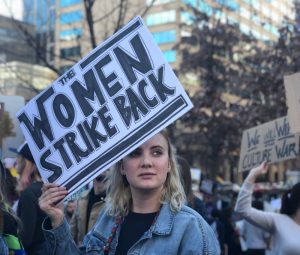 victims and their advocates.
This work has resulted in major pieces of legislation, helping law enforcement respond much better at the scene of a domestic dispute, giving courts better and more timely information about perpetrators and victims, improving the enforceability of no-contact orders and protection orders, and also toughening criminal penalties:
In 2014 Roger received national attention for his successful effort to get guns out of the hands of domestic abusers. Too many times, abusers were ignoring domestic violence protection orders against them and then seeking retribution with firearms by killing or grievously injuring their partners or spouses.
Roger worked with law enforcement, victims and survivors of domestic violence – and even the gun lobby – to craft HB 1840 (Chapter 111, Laws of 2014), which was one of the most significant gun safety measures in a generation.
This measure required the removal of firearms from those subject to protection orders and criminal no-contact orders in cases of domestic violence, sexual assault and other cases where the assailant is deemed to continue to be a credible threat to the victim. Roger’s work in this regard has literally saved lives.
Other important measures in this area of law which Roger has led the Legislature to enact include:
- HB 1653 (Chapter 256, Laws of 2013, enacted as companion SB 5484), increasing penalties for assaults inside courthouses, where domestic violence victims are particularly vulnerable.
- HB 1383 (Chapter 84, Laws of 2013), protecting victims of stalking through the creation of a new stalking protection order, with serious criminal penalties for violating such an order.
- HB 1307 (Chapter 74, Laws of 2013), protecting victims of sexual assault from their assailants by allowing expedited service and renewal of sexual assault protection orders.
- HB 1108 (Chapter 94, Laws of 2013), a significant piece of legislation repealing the so-called “marital exception” to rape, holding rapists accountable when their victims are their spouses.
- HB 2363 (Chapter 223, Laws of 2012), a major revision of Washington’s domestic violence laws, toughening penalties and protecting the confidential locations of “safe houses” for domestic violence survivors and their children.
- HB 1626 (Chapter 307, Laws of 2011, enacted as companion SB 5579), which strengthened our state’s anti-harassment laws.
- HB 1188 (Chapter 166, Laws of 2011), raising criminal sanctions for suffocation, which is a terrifying means used by domestic abusers to attack their victims.
- HB 1182 (Chapter 165, Laws of 2011), significantly increasing penalties for intimidating and tampering with witnesses, which is a major problem in domestic violence cases.
- HB 2777 (Chapter 274, Laws of 2010), the most comprehensive revision of Washington’s domestic violence laws in more than 30 years, significantly changing the way law enforcement, prosecutors and courts handle domestic violence cases, and improving the quality of perpetrator treatment programs.