
Our region’s crush of traffic is maddening. Anyone who tells you that we can “solve” our transportation woes easily or quickly is lying to you.
Frankly, our region is so extraordinary that too many people want to live here. We now find ourselves scrambling to make up for decades of inadequate transportation planning. We cannot build our way out of this mess but we can finally begin to work toward providing more transportation choices for the Eastside.
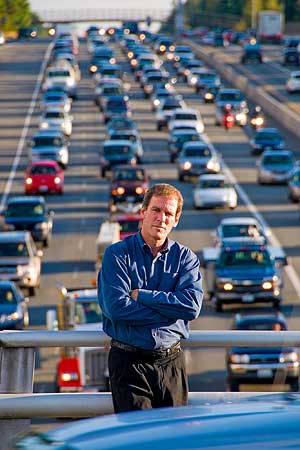 We must do more than merely widen highway lanes. We must build a truly multi-modal system that allows us to move commerce faster and that equitably gets us where we want to go. But I won’t lie to you – in the meanwhile, we’ll still be sitting in traffic because these developments will take some time.
The new 520 bridge is our top transportation priority, both to reduce congestion and for urgent safety reasons. Last session, I helped to broker the deal with the Seattle side of the lake on the width and design of the new 520 bridge, so we’ve made major progress.
In addition to federal assistance and state debt financing, we can also establish funding partnerships with business and other public entities to support the 520 bridge. We will have to acknowledge the need for tolls, hopefully variable tolling according to time of day. I will carefully examine the Transportation Commission recommendations in this regard.
I support a huge expansion of bus rapid transit and enlarged park and ride lots. Light rail just may not be affordable any longer, given the cost of the seismic retrofits on the I-90 bridge. Light rail also won’t work on the 520 bridge because of the steep grades.
Locally, the roads in the 45th District are in desperate need of upgrading, including Avondale Road, Woodinville-Duvall Road and State Route 203.
As we sit behind the 8-ball on transportation problems, we have to address the core issue of poor transportation governance. There is no unified transportation strategy for the region and there are too many fiefdoms, so reforming the governance structure for transportation in this area is critical.